
A Better Alternative to Traditional Fast Food?
When most people think about food franchising, they picture the big names – McDonald’s, Chick-Fil-A, and others.
Drive-thrus. Value menus. Long hours. Tight margins. Staffing challenges.
So when I ask someone if they’re open to food, the answer is usually quick:
“No—I don’t want the hassle of a food business.”
But that answer is often based on an incomplete picture. Not all food franchises operate the same way.
There’s a Side of Food Most People Don’t See
Outside of traditional fast food, there’s a growing category of niche food concepts.
These businesses are built around a more focused product and a more intentional customer experience.
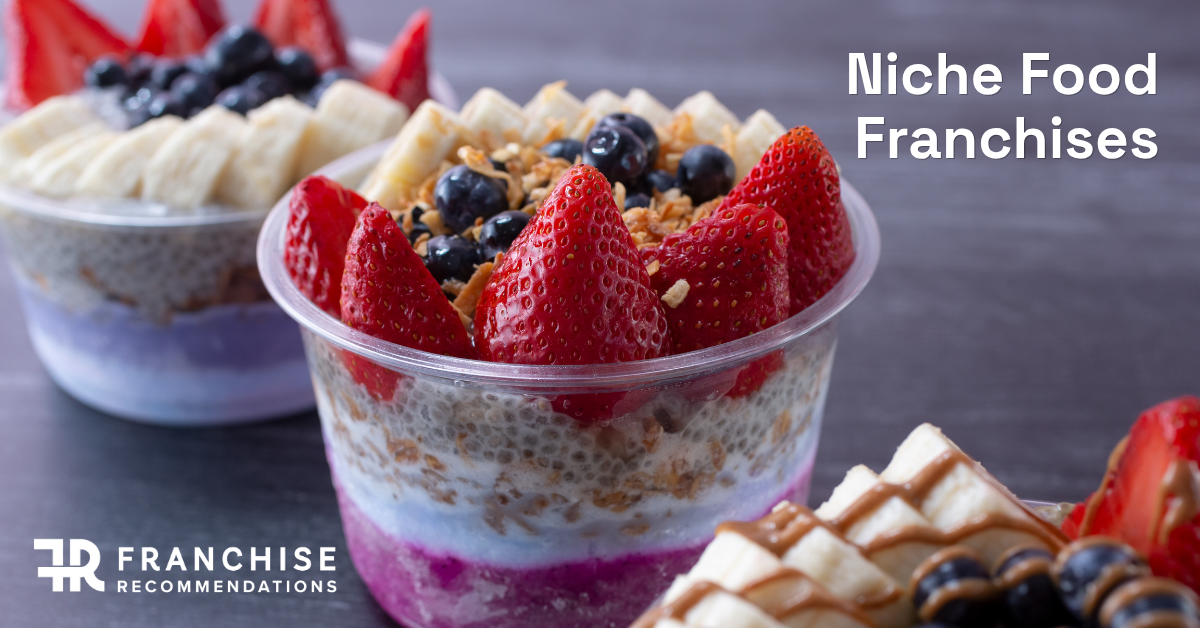
Think specialty desserts and frozen treats, premium beverage concepts, focused sandwich or café models, and health-oriented food and nutrition concepts.
They’re still food, but they’re not trying to serve everyone. And that changes the ownership experience.
Simpler Doesn’t Mean Easy—But It Does Change the Model
One of the biggest differences is focus.
Instead of managing a massive menu and complex kitchen operation, many niche concepts operate with:
- a tighter product mix
- more streamlined equipment
- clearer workflows
That doesn’t eliminate operational responsibility, but it often makes the business easier to understand and manage compared to a full-scale restaurant.
There’s also a different energy to these businesses.
A dessert or specialty drink concept isn’t just about food, it’s about experience. Families come in. Friends meet up. People treat themselves.
For some owners, that’s part of the appeal. They’re creating a place people enjoy being, not just running transactions.
The Type of Owner This Attracts
The appeal of niche food is both operational and personal. Many of the people drawn to these concepts enjoy creating an environment people return to, take pride in what they own, and value the customer experience as much as the product
In some cases, there’s also a deeper connection.
A health-focused concept, for example, tends to resonate more with someone who actually believes in that lifestyle. You don’t need to be perfect, but authenticity shows up in how the business is run. Customers can feel that.
Why People Confuse This with Fast Food
The hesitation around food is understandable. Large fast-food systems are built on:
- high transaction volume
- tight cost control
- operational efficiency at scale
That model works, but it’s not what most individuals are looking for. Many prospective owners aren’t trying to compete on price or manage massive volume. They aren’t trying to
build a multi-unit empire just to make the numbers work.
What they are looking for is something more aligned with how they want to spend their time. That’s where niche concepts create a different path.
Scaling Looks Different Here
Traditional fast food often scales through volume, while niche concepts tend to scale through:
- product differentiation
- stronger margins per transaction
- repeat customer behavior
- brand experience
This is an important distinction. A customer paying for a premium drink or specialty item isn’t making the same decision as someone choosing the cheapest meal available.
That creates a different economic dynamic. Not better. Not worse. Just different.
Where Franchising Still Adds Value
People are often drawn to the big food brands for a simple reason: every business needs customers and household names already have them.
That built-in demand creates a level of comfort. But that’s not the whole picture.
With large brands, you are often one of many. You may never meet leadership and your influence within the system is limited.
Niche brands tend to feel different. They are often smaller, more accessible, and more connected. It’s not unusual to know the leadership team or feel closer to the direction of the business.
And beyond brand recognition, this is where franchising still delivers value, regardless of size.
Even in smaller or emerging brands, you’re not starting from scratch. You still benefit from:
- Operations manuals and checklists.
- Defined processes and procedures.
- Vendor sourcing and relationships.
- Systems that have already been tested and refined.
The name on the sign may not be a household name yet, but the structure behind the business is still real and you still have the ability to borrow their system to build your equity.
Not the Right Fit for Everyone
This category can be appealing, but it’s not automatic. These are still real businesses that require: hiring and managing people, delivering consistent customer experiences, and showing up operationally, especially early on.
And just as important, there needs to be some level of connection to what you’re building.
If someone has no interest in hospitality, customer experience, or leading a team in a consumer-facing business, this probably isn’t the right direction.
A Quick Reality Check on “Famous” Brands
One thing that comes up often is interest in well-known food franchises. That’s understandable, but it’s important to recognize that not all franchise models are built the same way.
Some highly recognizable brands operate with limited ownership control, unique economic structures, and/or restricted long-term equity opportunities.
Which is another reminder: brand recognition doesn’t always equal the right fit.
Instead of asking, “Do I want food?”, ask:
- Would I enjoy walking into my own place and seeing people having a good time?
- Would I feel proud to tell people that I own a business that brings families and friends together?
- Would I enjoy creating an experience and atmosphere people want to come back to?
- Or am I really looking for something more transactional; where the product, customer experience, and community involvement are less important than other business characteristics?
Those questions help separate niche food from the fast-food version of “food” that many people turn away from too quickly.
Food for Thought
Niche food franchising isn’t for everyone. But it’s also not what most people assume it is.
For the right owner, it can offer:
- A more focused model.
- A more enjoyable customer environment.
- A stronger connection to what they’re building.
The key is to focus on fit, not chase a category. Comparing niche food to other industries, like home services, adds perspective as you evaluate your options.