
What if you found a franchise with these characteristics?
- Relatively accessible investment.
- The ability for the owner to lead the business without personally performing the service.
- Recurring customer behavior.
- A service people already understand.
- A business that helps customers feel good, confident, and cared for.
- A local, neighborhood-based service model.
- Skilled employees who take pride in their work.
- Technology that helps with booking, marketing, lead follow-up, and daily operations.
- A smaller-format launch option in some models.
- The potential to grow into multiple locations over time.
Would a business like that get your attention?
For many future business owners, the answer would probably be yes.
Now here is the category: retail beauty.
For some people, that answer may be surprising. Retail beauty may not be what they pictured when they first imagined owning a franchise.
They may have pictured home services, business services, fitness, kids’ services, senior care, or something that felt more familiar.
That is exactly why the franchise search process should start with business characteristics, not industry labels.
The label often creates an instant reaction, while the characteristics tell you how the business actually works.
What Retail Beauty Can Include
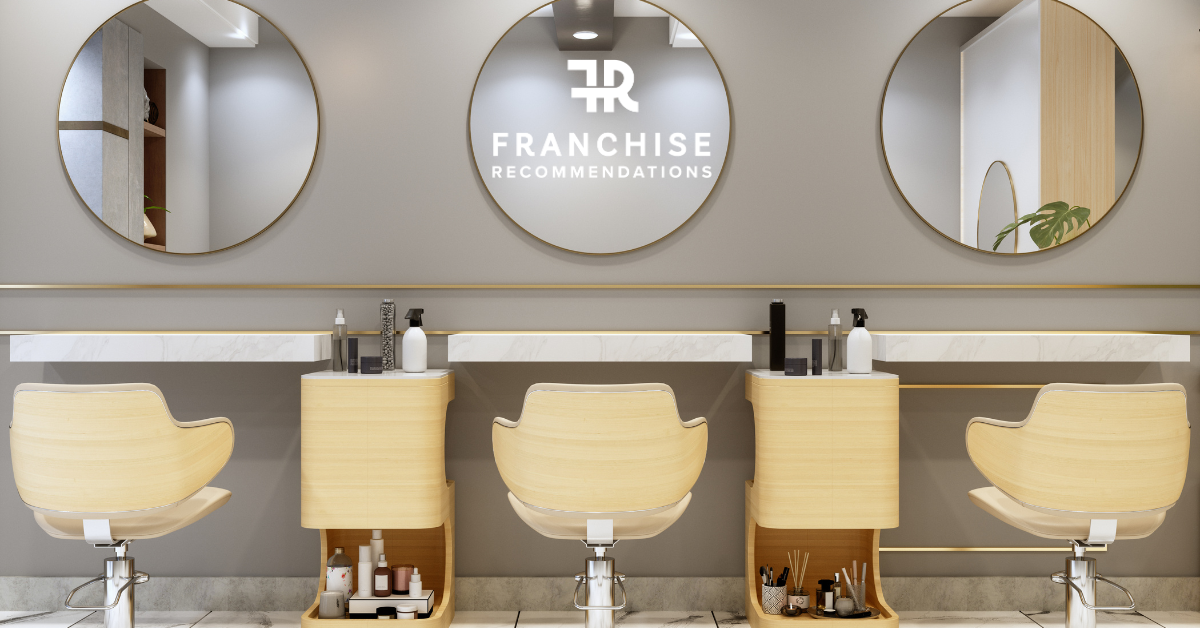
Retail beauty can include waxing, sugaring, laser hair removal, lashes, skincare, med spa services, salon suites, blow dry bars, and other personal care models.
Some concepts are highly specialized. Others offer multiple services under one brand. Some are traditional retail models. Others are becoming more technology-driven service businesses.
That variety is important.
When people hear “beauty business,” they may assume they need industry experience or that they would personally deliver the service. In many franchise models, that is not the case.
The owner is often focused on leading the business, hiring and managing the team, following the system, protecting the customer experience, tracking performance, and building local awareness.
In other words, the business may be less about the beauty experience and more about leadership, operations, marketing, customer service, and execution.
Why the Category Can Be Appealing
Many retail beauty services are not one-time purchases. If customers like the experience, they often return on a regular schedule. That can create opportunities for rebooking, memberships, referrals, customer loyalty, and repeat visits.
There is also a positive emotional component.
Customers often visit these businesses because they want to feel better walking out than they did walking in. They may want to feel more confident, more comfortable, more polished, or simply cared for.
For an owner, that can be appealing. You are not just selling a transaction. You are building a team that delivers a service people personally value.
The labor model can also be interesting.
Retail beauty concepts often rely on skilled service providers. Depending on the service, that may include licensed estheticians, technicians, stylists, or other trained professionals. These skilled, tip-based employees often care very much about technique, customer comfort, and the quality of the experience.
For someone who enjoys building teams, that can be a strength.
Technology Is Changing the Category
Modern retail beauty franchises are also using technology and centralized support to reduce operational friction.
That may include online booking, automated reception, centralized lead generation, managed digital advertising, AI-supported tools, off-site administrative resources, customer follow-up systems, and performance dashboards.
That does not make the business passive. The owner still has to lead, manage, hire, and execute.
But strong technology can help capture demand that might otherwise be lost through missed calls, slow response times, inconsistent follow-up, or weak local advertising.
That is where the category becomes more interesting than many people expect.
A retail beauty franchise may look like a salon or personal care studio from the outside. But it often operates more like a technology-enabled local service business that happens to serve the beauty and personal care market.
Smaller-Format Launch Options
Some concepts in this category also offer smaller-format launch options.
Instead of requiring every franchisee to immediately open a full retail storefront, certain models may allow the owner to begin in a salon suite or smaller footprint while a larger flagship location is being developed.
That kind of launch strategy may reduce the initial investment, lower early overhead, allow the owner to begin generating revenue sooner, and give the team operating experience before moving into a larger location.
The key is understanding the full path.
A smaller-format location may be the starting point, not the final destination. Candidates should understand the total investment, timeline, development obligations, staffing model, revenue opportunity, and support provided by the franchisor along the way.
Who Might Fit This Category?
Retail beauty is often best suited for an owner who is:
- Energetic
- Customer-service-minded
- Comfortable leading a team
- Interested in building a local service business.
Beauty industry experience is usually not required. Business management, follow-through, hiring, accountability, and a willingness to follow the system are more important.
This category may appeal to someone who wants repeat customer demand, local market presence, skilled employees, technology support, and especially the potential to grow into multiple locations.
The right candidate needs to care about service, standards, people, and execution.
The Bigger Business Lesson
Retail beauty is not usually one of the first categories prospective franchisees have in mind when they begin a search.
That is exactly why it is worth discussing.
Part of the reason people overlook certain businesses is that they immediately picture themselves working inside the business as an employee. Or they imagine the local business journal photo: standing outside the storefront, hands on hips, with the sign behind them.
If that picture does not match what they originally had in mind, they may dismiss the business too quickly.
That is the risk of reacting to a category based only on perception.
When prospective franchisees focus first on business characteristics, they can more fairly evaluate whether a category truly fits their goals or not.
Does the model offer recurring customer demand?
Does it have an accessible investment range?
Does it provide a service people already understand?
Does it lead me closer to my ideal desired lifestyle?
Those questions lead to a better conversation than simply asking, “Can I picture myself owning a beauty business?”
A good franchise search should challenge first reactions.
Retail beauty may or may not be the right fit. But it deserves to be evaluated based on how the business actually works, not just the first image that comes to mind. If you’re interested in learning more about the retail beauty franchises out there, let’s connect.