
What if you could own a business where demand isn’t driven primarily by what customers want, but by government regulations, insurance requirements, compliance standards, or other circumstances that require them to act?
Those businesses not only exist in franchising, but there are probably more of them than most prospective business owners realize.
Some provide services required by regulations. Others become necessary because of an insurance claim, property transaction, workplace requirement, or construction project. Still others provide products or services that may not technically be required, but are difficult or impossible for the customer to put off.
The common thread is simple:
The business still has to win the customer, but it doesn’t necessarily have to create the need.
Where Does the Demand Come From?
In many businesses, a significant part of the challenge is convincing someone to spend money on something they don’t necessarily need.
There is nothing inherently wrong with that. Restaurants, fitness concepts, entertainment businesses, beauty services, home improvement companies, and countless other discretionary businesses can make excellent franchise opportunities.
But the demand equation looks different when something external is helping create the need.
A government regulation may require a particular service. An insurance company may require certain work or documentation. A property transaction may trigger an inspection or other requirement. A business may need to meet safety or compliance standards. A project may be unable to proceed until a particular service has been completed.
In each case, someone needs to solve a problem.
Your job isn’t necessarily to convince them the problem exists. Your job is to convince them you’re the right company to solve it.
That’s an important distinction.
From Wants to Needs to Requirements
Not every business fits neatly into either a discretionary or required category. Think of it more as a spectrum:
Want → Need → Requirement
At one end are purchases that can easily be eliminated or postponed. At the other are products and services someone is legally, contractually, or practically required to obtain.
And there is a large category in between.
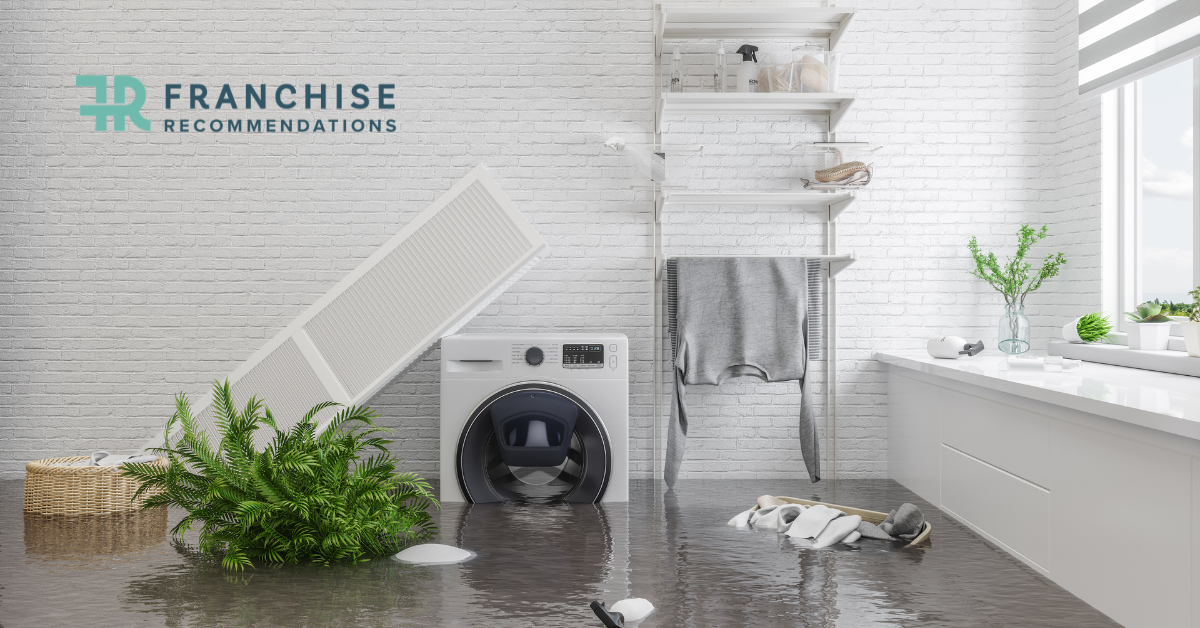
Childcare isn’t generally mandated, but for two working parents with young children, going without it may not be realistic. The same is true when something important in a home breaks or an unexpected event creates the need for restoration or repair.
The closer a business moves toward the need and requirement end of the spectrum, the less its underlying demand depends on convincing customers to want what it sells.
You Still Have to Win
None of this means a required or non-discretionary business automatically succeeds. Even when customers need the service, they usually still have choices about who provides it.
The owner still has to market the business, develop relationships, provide great service, and build a strong reputation.
You may not have to create the need, but you still have to win the customer.
And that’s where things like responsiveness, technology, convenience, professionalism, and a better customer experience can make a difference.
Don’t Overlook Fragmented Industries
Some of the more intriguing franchise opportunities I’ve encountered operate in industries most people have never considered.
Often, these industries are highly fragmented.
Franchises make up about 36% of the entire U.S. property restoration and emergency recovery market. Although this industry is highly fragmented with many independent operations, franchise networks wield massive operational scale.
Rather than competing against a long list of recognizable national brands, the competitive landscape may consist primarily of local or regional independent businesses.
A franchise system can bring professional branding, proven processes, technology, marketing resources, training, purchasing power, and consistent customer service into an industry where those things aren’t always the norm.
That doesn’t mean the local competitors aren’t good at what they do. Many undoubtedly are.
But the combination can be compelling:
Existing demand. Fragmented competition. A professional system for delivering the service.
Is This the Kind of Business You Want?
One reason I spend so much time encouraging prospective franchise owners to think about the characteristics of a business before thinking about brand names is that opportunities like these are easy to miss.
You probably aren’t going to wake up one morning and decide you’ve always dreamed of owning a testing, inspection, compliance, restoration, maintenance, or other specialized service business.
That’s okay.
The better questions are about what you want the business to do for you.
Would you rather provide a service customers genuinely need than sell something discretionary?
Would you be more comfortable knowing an outside event or requirement helps create demand?
Would you rather compete in a fragmented industry than enter a category filled with national brands?
Are you open to owning a business in an industry you know very little about today if the economics, lifestyle, owner role, and growth potential fit what you’re trying to accomplish?
If the answers are yes, required and non-discretionary businesses deserve a place in your search.
There are plenty of outstanding franchise opportunities built around things people want.
But sometimes the most interesting franchise isn’t something you’ve been dreaming about buying.
It’s something you didn’t know people had to buy in the first place.
Intrigued and want to learn more? Let’s connect and explore what opportunities are out there and how they can serve you.